What is wingfoiling?
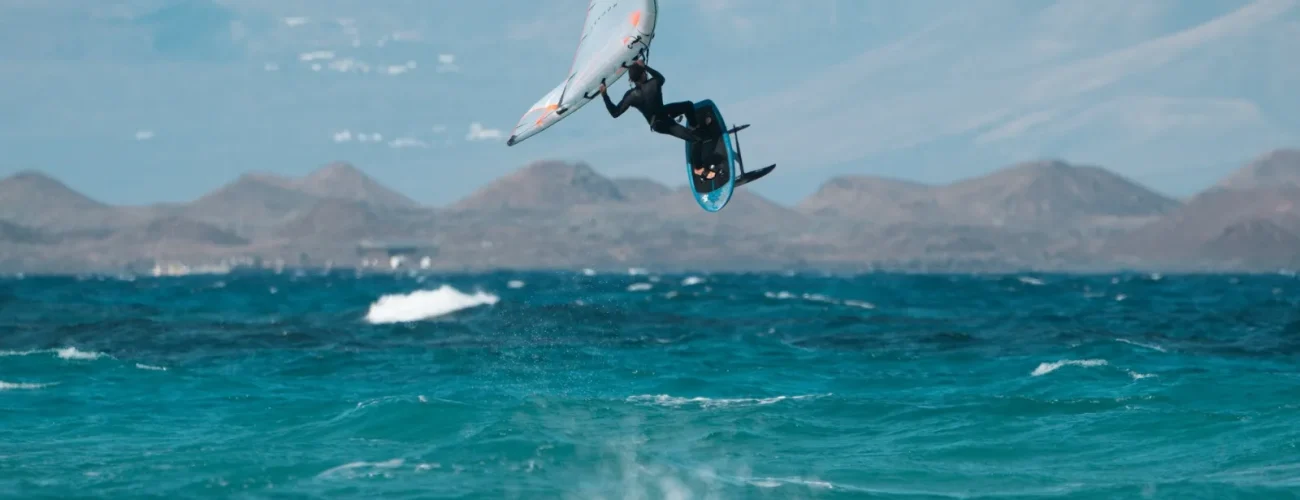
Wingfoiling is a water sport where you ride a board with a hydrofoil and use a handheld inflatable wing to catch the wind. As the foil lifts the board, you glide smoothly above the surface. It’s a unique mix of surfing, sailing, and flying.
🌊 The basics - What wingfoiling actually is
Wingfoiling combines elements of windsurfing, kitesurfing, and foiling into one simple setup. You stand on a board equipped with a hydrofoil, holding an inflatable wing in your hands. The wing catches the wind and gives you lift and speed as you glide across the water.
Unlike kitesurfing, there are no long lines or harnesses. And unlike windsurfing, you’re not attached to a big, heavy sail. Everything feels light and free.
The foil under your board is what makes wingfoiling so special. As you gain speed, the foil lifts the board out of the water, reducing drag and giving you that smooth, silent sensation of flying. Once you’ve felt it, it’s very addictive.
🏄♂️ What it feels like to wingfoil
The moment the foil lifts and you start gliding, everything feels calm and weightless, like flying… Powered by the wind.
The cool thing about wingfoiling is that it doesn’t have to be extreme. You can take it easy and just cruise on flat water, or chase waves and jump if you’re up for more action. It really suits everyone. Whether you’re a surfer, a sailor or totally new to water sports. In my school, FuerteWingfoil, on Fuerteventura I often teach people who have never tried anything like this before. And many of them like it.
⚙️ What gear do you need to wingfoil?
To wingfoil, you need a foil board, a handheld inflatable wing, and wind. The foil lifts the board above the water for smooth, silent gliding. Beginners often start with a larger, more stable board and a medium-sized wing for easier balance and control.
The essential gear explained
- Foil board: The board has a hydrofoil mounted underneath that lifts you out of the water as you gain speed. Beginners usually start with a larger board for better stability.
- Wing: The inflatable wing is your power source. You hold it with both hands, catching the wind to move and lift. It’s light, portable, and much simpler than a windsurf sail or kite.
- Foil: This is what makes the flying part possible. The foil cuts through the water and generates lift, reducing drag so you glide smoothly above the surface.
- Leash and safety gear: A board leash and a wing leash keep your gear from drifting away. A helmet and impact vest are smart additions too, especially when learning.
Once you have the basics, all you need is a bit of wind and open water and you’re ready to experience that feeling of effortless flight.
🚀 How to get started with wingfoiling
Learning to wingfoil might look tricky at first, but it’s actually easier than it seems and especially compared to other wind or foil sports. The best way to start is step by step.
- Begin on land. Before you even hit the water, it helps to practice handling the wing on the beach. Get used to how it catches the wind, how to steer it, and how to find the “power zone”. This builds confidence and muscle memory.
- Start with a bigger board. When you move into the water, use a board with plenty of volume and it’ll help you stay balanced and make it easier to stand up. The goal isn’t to foil right away, but to get comfortable moving with the wind.
- Add the foil when you’re ready. Once you can comfortably ride while holding the wing, it’s time to add the hydrofoil. This is where things get exciting. As soon as you get enough speed, the board lifts, and you’re flying.
- Take a lesson if you can. A single session with an instructor can make a huge difference. They’ll help you understand the wind, body positioning, and safety basics and you’ll progress much faster.
👉 If you want a deeper step-by-step breakdown, check out our full guide: Learn to Wingfoil, it covers everything from choosing the right gear to your first flight on the foil.
📍 Why it’s worth learning wingfoil
Wingfoiling isn’t just a sport, it’s an experience. It gives you a sense of freedom and connection to nature that’s hard to describe. It’s quiet, smooth, and incredibly fun. Every session feels different because you’re always adapting to the wind and water.
And maybe the best part? You don’t need huge waves or strong wind, just a decent breeze and an open mind.
❓ FAQ - About wingfoiling
Got questions about wingfoiling? You’re not alone. Here are some of the most common ones people ask before getting started!
How does wingfoiling work?
Wingfoiling works by combining wind power and lift from a hydrofoil. You hold an inflatable wing that catches the wind and propels you forward, while the foil under your board lifts you above the surface, reducing drag. The result? You glide smoothly, almost as if you’re flying.
Is wingfoiling hard to learn?
Not really. It looks complicated at first, but most people can get the hang of it after just a few sessions. The key is learning step by step. Starting on land, then on the water, and finally adding the foil when you’re ready
Is wingfoiling easier than kitesurfing?
Yes, for most people it is. There are no long lines, no harnesses, and the setup is way simpler. You have more control and less risk of getting tangled or overpowered by the wind. It’s a more relaxed, free experience. Perfect for beginners.
Can I teach myself to wingfoil?
It’s possible to learn wingfoil by yourself, but taking at least one lesson can really help. Learning how to handle the wing, balance, and read the wind safely makes a big difference. After that, you can absolutely practice and improve on your own.
How much wind do you need to wingfoil?
For beginners around 10-20 knots is ideal. Enough to get lift without being too strong. Once you’ve got the basics down, you can ride in both lighter and stronger winds.
Want to learn wingfoiling? Come try it with me, here in Fuerteventura!
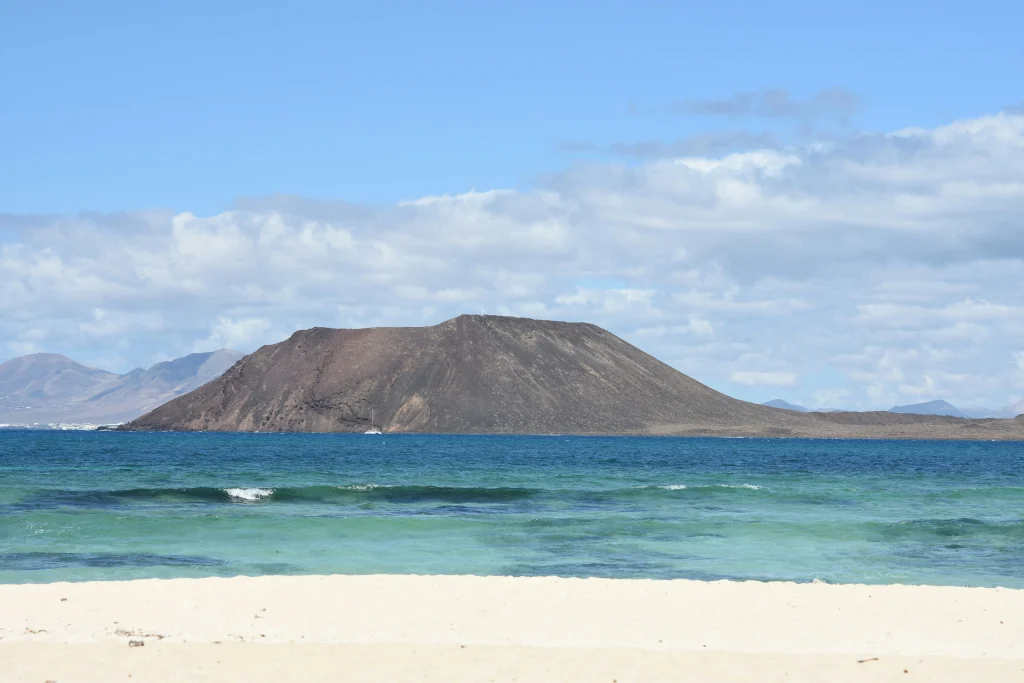
Fuerteventura, on Canary Islands, combines wind, waves and sunshine – with perfect flat-water spots that make it ideal for learning wingfoil.
Whether it’s your first time or you’re landing your first jibes, I’l guide you to confidence on the water and in the air quickly.