
Learn to wingfoil - A simple guide to get started!
Have you been thinking about trying wingfoiling? Maybe you’ve seen people gliding on the water with a big inflatable wing and wondered what it actually feels like, or how hard it really is to learn.
In this post, we’ll go through everything you need to know about learning to wingfoil, how it works, what gear you need, how long it takes to get started, and a few tips that make the process a lot easier (and more fun)!

🧐 What is wingfoiling?
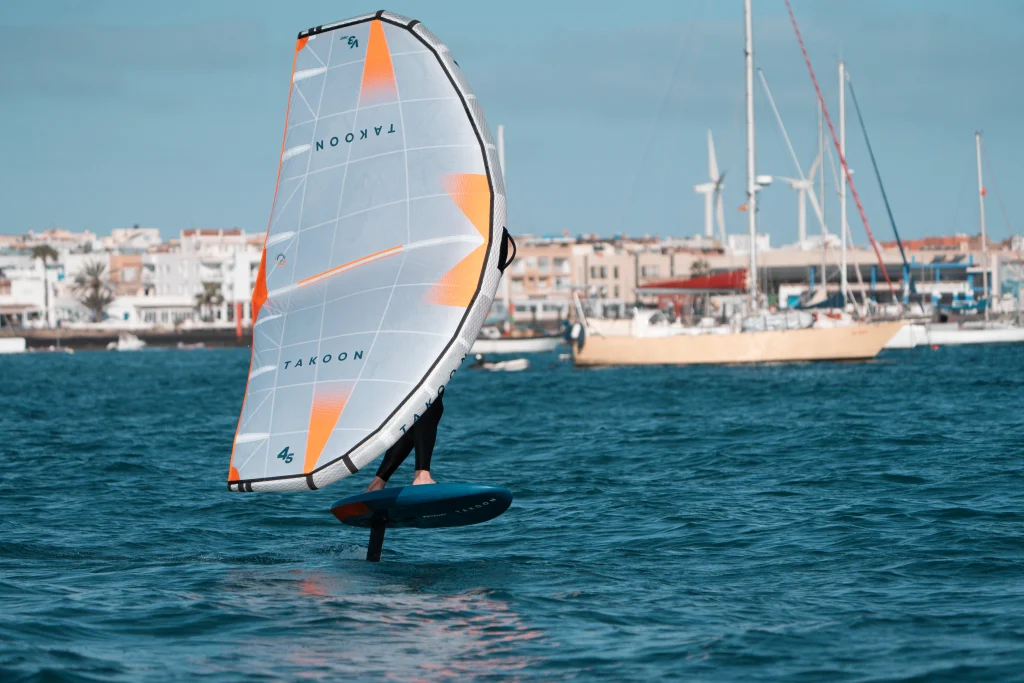
Wingfoiling is a water sport where you stand on a board with a hydrofoil and use a handheld inflatable wing to catch the wind. As the foil lifts the board above the surface, you glide smoothly and almost silently over the water, a feeling that’s often described as flying.
Wingfoiling combines elements of surfing, windsurfing, and foiling into one clean and simple setup. You stand on a board equipped with a hydrofoil, which lifts you out of the water as you gain speed. The inflatable wing in your hands acts as your sail. It catches the wind, giving you both lift and forward motion.
Unlike kitesurfing, there are no lines or harnesses. And unlike windsurfing, there’s no heavy rig to control. That simplicity is a big part of why so many people likes it. Once you get the balance and start gliding, it feels quiet, free, and surprisingly effortless.
📍How to learn wingfoil?
Wingfoiling is best learned step by step with an instructor. You start on the beach to learn how to handle and steer the wing, then quickly move into shallow water to practice balance and control, that’s where you’ll feel your first glides and really start flying.
As you progress, you’ll start working with the foil board – learning how to control lift and find that smooth, gliding feeling above the water. It’s a moment most people never forget.
I run FuerteWingfoil, a small wingfoil school in the north of Fuerteventura. I like to keep things personal and relaxed, with lessons that follow a clear step-by-step progression. It’s the same basic structure you’ll find in most good wingfoil schools: start on land, move into the water, then add the foil once you’re ready.
Here’s how I usually organize it:
Day 1 – Getting started: We go through the gear setup, safety, and wind awareness. You’ll learn how to handle and steer the wing on the beach before getting your first feel for balance in the water on your knees.
Day 2 – Standing up: Time to stand on the board, practice stability, and learn how to sail both directions while controlling the wing.
Day 3 – First foil contact: You’ll switch to a foil board, get used to how it feels under the water, and start learning how to lift and touch down safely.
Day 4 – Foil control: This is where you start flying consistently – managing height, direction, and speed with control and confidence.
Day 5 – Progression and freedom: You’re riding longer runs and building independence on the foil.
Once you’ve reached that point where you can ride confidently and start exploring on your own, the fun really begins. Some people like to keep progressing with supervision, riding next to an instructor, getting tips and feedback in real time. Others decide to get their own gear and continue practicing back home.
Many of my students actually reach out after their course asking what equipment to buy, how to choose the right sizes, or how to set up for their local conditions. I really like that part… Seeing people continue the journey and helping them find the setup that keeps them improving safely and happily.
⏱️ How long does it take to learn wingfoiling?
Most people learn to wingfoil in about 3 to 5 lessons. With good conditions and proper instruction, you can usually stand up and start gliding within a few sessions, while full control of the foil and longer rides take a bit more practice.
Learning speed depends a lot on the conditions, your balance, and how often you practice. With consistent lessons and calm wind, progress can be surprisingly fast. The first sessions focus on handling the wing and finding balance on the board. Once that feels natural, adding the foil brings the real magic… That smooth, flying sensation above the water.
Most beginners feel comfortable riding short distances after a few days, and with regular sessions, you can become an independent rider within a few weeks. Having a good instructor and using the right gear makes a huge difference to how quickly it all clicks.
💡 Wingfoil tips for beginners
Learning to wingfoil is easier (and way more fun) when you keep a few things in mind:
- Start with the right conditions: Steady wind (around 12-18 knots) and flat water make a huge difference when you’re learning.
- Choose beginner-friendly gear: A stable, large board and a big foil will help you get moving faster and stay balanced.
- Focus on handling the wing first: Spend time on the beach or in shallow water getting comfortable with the wing before you add the foil.
- Look where you want to go: It sounds simple, but your body follows your eyes – looking forward helps with balance and direction.
- Take your time with the foil: Don’t rush the “flying” part. Feeling comfortable and in control is more important than lifting early.
- Rest between your sessions: Learning is physical! Short, focused sessions beat long, exhausting ones.
🌊 Why you should learn wingfoil
Wingfoiling is one of those sports that grabs you from the first moment you try it. It combines freedom, balance, and a pure connection with nature: wind, water, and that quiet glide when the foil lifts you above the surface. It’s not just about adrenaline; it’s about flow.
What makes wingfoiling so special is how accessible it is. You don’t need huge waves or extreme wind to enjoy it, and you can progress quickly with the right guidance. It’s a sport that constantly rewards small improvements. Every new skill feels like a milestone.
It’s also a fantastic full-body workout without feeling like one. You build core strength, coordination, and awareness almost effortlessly, simply by having fun on the water.
 FAQ - Frequently Asked Questions about learing wingfoil
 FAQ - Frequently Asked Questions about learing wingfoil
If you’re thinking about learning to wingfoil, you probably have a few questions, from how hard it is to what gear you need. Here are some of the most common things beginners ask before getting started!
Is wingfoiling hard to learn?
Not really! With the right instructor and steady wind, most people can stand and glide within a few sessions. The foil adds a new challenge, but progress comes quickly.
Do I need to be strong to wingfoil?
No, technique matters much more than strength. Good balance and relaxed movements are key.
What equipment do I need to start wingfoiling?
You’ll need a wing, a board with a hydrofoil, a wetsuit, and basic safety gear (helmet, impact vest, leash). Most schools provide everything for you.
Can I learn wingfoil on my own?
It’s possible, but learning with an instructor saves a lot of time and avoids bad habits. You’ll progress faster and safer.
Where’s the best place to learn wingfoiling?
Look for consistent wind and shallow, flat water. Places like Fuerteventura on the Canary Islands are perfect with reliable wind and great conditions for all levels.
Curious about wingfoil? Come try it with me here in Fuerteventura!
Fuerteventura has the perfect mix of wind, waves and sunshine… Ideal for learning wingfoil!
Whether it’s your first time or you’re chasing your first jibes, I’ll help you get comfortable on the water and flying in no time.
