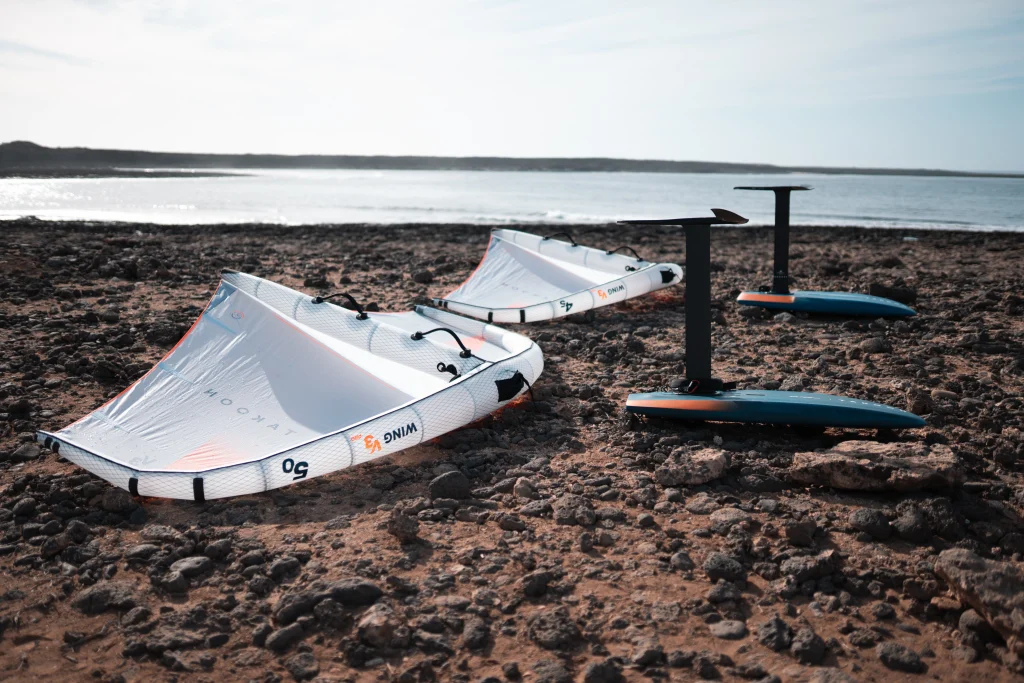
The ultimate wingfoil guide to Fuerteventura
If you’re planning a wingfoil trip to Fuerteventura, you’ve come to the right place. With reliable, year-round sunshine, and a variety of spots for every skill level, Fuerteventura has become one of Europe’s top wingfoiling destinations. Whether you’re taking your very first lesson or looking for your next adventure on the water, the island offers great wingfoil conditions throughout the year.
In this guide, I’ll cover everything you need to know before your trip, from the best time to visit and where to stay, to the top wingfoil spots, local wind conditions, and tips to help you make the most of your time on the island.
Fuerteventura has been my home for years, and I spend most days on the water. I have lived both in the north and the south of Fuerteventura so I’ve explored and taught at many of its wingfoil spots, giving me a good understanding of where the best conditions are each day.
This guide is based on my own experience teaching and riding here, so you’ll get practical advice you can actually use. Hope you like it! ✌️
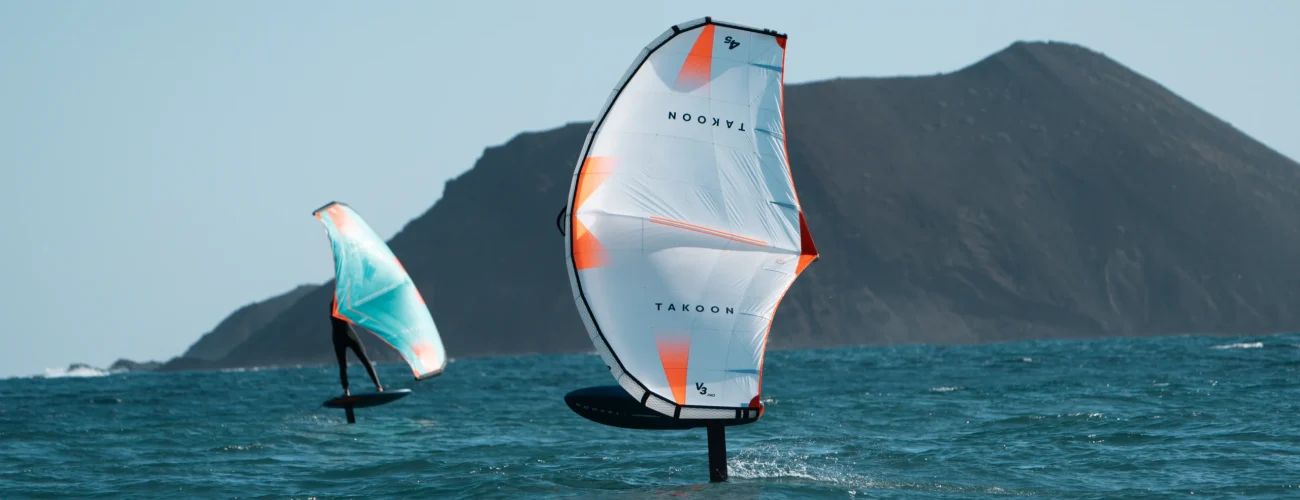
Why choose Fuerteventura for wingfoiling?
Fuerteventura is one of the best places in Europe to learn and practice wingfoiling thanks to its reliable wind, year-round sunshine, and variety of riding spots. From sheltered flat-water lagoons for beginners to wave spots for experienced riders. The island offers great conditions for every skill level.
Over the years, Fuerteventura has become one of Europe’s most popular destinations for wingfoiling, attracting everyone from complete beginners to experienced riders looking for world-class conditions.
One of the biggest advantages is the variety of spots. Depending on the wind direction, you can choose between sheltered lagoons with flat water, open bays, or wave spots. This means beginners can learn in safe, controlled conditions while experienced riders can find more challenging sessions.
Another reason riders keep coming back is the consistency. While no destination can guarantee perfect wind every day, Fuerteventura offers one of the most reliable wind climates in Europe.
Since I have lived in both the north and south of the island, I’ve spent years exploring different wingfoil spots and following the conditions throughout the seasons. One thing I’ve learned is that choosing the right spot for the day’s forecast makes all the difference.
That’s also why I don’t teach in the same place every day, I choose the location that offers the best and safest conditions for each session.
Best time to visit Fuerteventura for wingfoiling
Fuerteventura is one of the few places in Europe where you can wingfoil all year round. Thanks to its mild climate and consistent wind, every season offers great riding,it simply depends on what you’re looking for.
While the island is known for its strongest and most consistent northeast trade winds from April to October, good wingfoiling conditions are possible throughout the year. In fact, some winters can be surprisingly windy. For example, this year (during the 2025/2026 winter season) we have enjoyed great wind almost the entire winter.
Spring (March-May)
Spring brings increasingly reliable wind, pleasant temperatures, and fewer visitors than the peak summer months. It’s an excellent time for both beginners and experienced riders looking for quieter spots.
Summer (June-August)
Summer is traditionally the windiest season, with the northeast trade winds at their most consistent. If you’re looking for the highest chance of strong wind day after day, this is usually the best time to visit.
Autumn (September-November)
Autumn remains warm, with comfortable water temperatures and reliable wind. September and October are often considered two of the best months, offering excellent conditions with fewer crowds than midsummer.
Winter (December-February)
Winter winds are generally more variable than in summer, but there are still plenty of great wingfoiling days. Some winters can be exceptionally windy, and the island’s warm climate makes it a perfect escape from the European winter.
My recommendation: If you’re learning to wingfoil, don’t focus only on the windiest months. The right spot and conditions for your skill level are far more important than simply having the strongest wind. I teach year-round in Fuerteventura and choose the location each day based on the forecast, so my students always get the best possible conditions for their level.
Where to stay for a wingfoil trip to Fuerteventura
The best place to stay for a wingfoil trip to Fuerteventura is the north of the island. Towns like Corralejo, El Cotillo and Lajares offer easy access to a variety of wingfoil spots, making it easier to find the best conditions each day. The north also has a lively atmosphere with great restaurants, cafés, and bars, making it an ideal base both on and off the water.
Northern Fuerteventura (the best location if you want to do wingfoil)
Corralejo: coastal town with many things happening, many restaurants and bars for the night.
El Cotillo: a calmer town but also with some nice small shops, bars and restaurants.
Lajares: small surf town (not coastal) between El Cotillo and Lajares. Here you can find many houses to rent in case you are a big group.
Southern Fuerteventura
The south of Fuerteventura is quieter and more relaxed than the north, with fewer restaurants, bars, and nightlife. It’s known for its long sandy beaches, crystal-clear water, and a slower pace, making it a great choice if you’re looking for a peaceful holiday.
For a dedicated wingfoil trip, I would still recommend staying in the north. You’ll have access to more wingfoil spots within a short drive, making it easier to find the best conditions each day.
If you decide to stay in the south, I recommend choosing accommodation near Costa Calma or Sotavento Lagoon. Both provide convenient access to some of the island’s most popular wingfoiling beaches and are the best bases for riding in southern Fuerteventura.
How long to stay
If you’re learning to wingfoil, I’d recommend staying for at least one week. This gives you enough time to take a few lessons, practise your new skills, and still enjoy everything else Fuerteventura has to offer.
Most of my students stay between one and two weeks. Some choose to take lessons every day to progress as quickly as possible, while others prefer to mix lesson days with a few days off to relax or explore the island, like taking a trip to the beautiful beaches in the south.
If your goal is to become an independent rider, I usually recommend planning for around 3-5 lessons. Everyone learns at a different pace, but this gives most beginners enough time to build confidence and enjoy riding on their own.
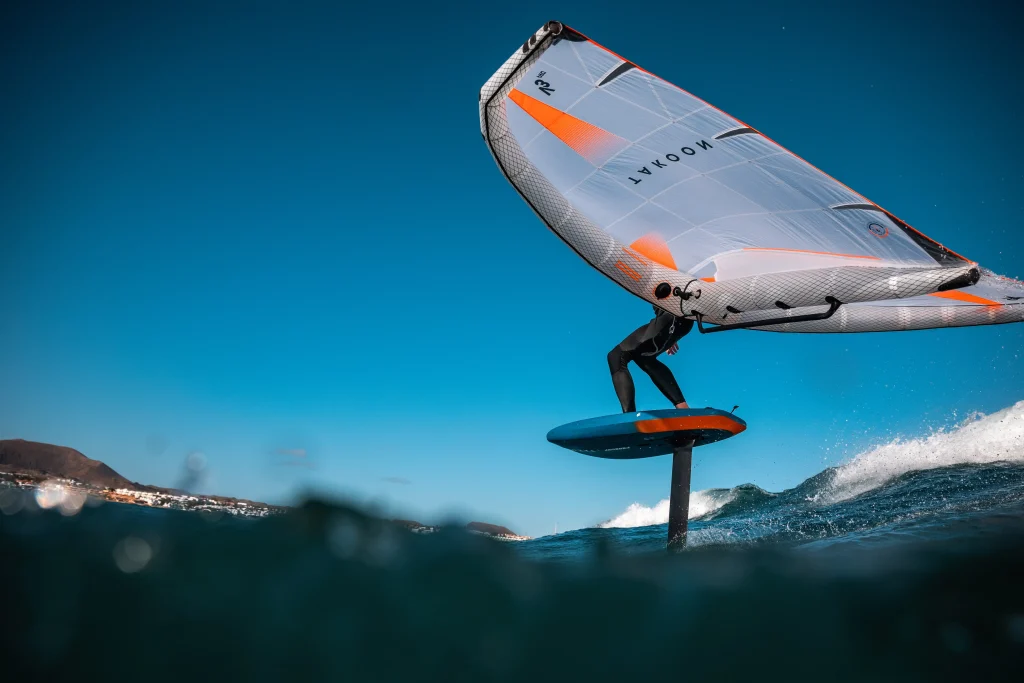
Best wingfoil spots in Fuerteventura
Fuerteventura has wingfoil spots for every level, from flat-water lagoons for beginners to wave spots for experienced riders. The best location depends on the wind direction, swell, tide, and your experience, which is why there isn’t one spot that works every day.
In the north, Corralejo Bay (Waikiki) is one of the best beginner-friendly spots thanks to its flat water and easy access, while Majanicho and Puerto Lajas are popular choices for riders looking for waves.
In the south, Sotavento, Costa Calma and Matas Blancas offer excellent conditions. Especially during the summer trade winds.
If you want a detailed overview of every spot, including wind directions, difficulty level, and when each location works best, check out my complete guide to Wingfoil Spots in Fuerteventura.
What else to do in Fuerteventura?
While wingfoiling might be the main reason for your trip, Fuerteventura has plenty to offer on your days off the water. Explore the sand dunes of Corralejo, watch the sunset in El Cotillo, hike the volcano Calderón Hondo or take a road trip through the island to visit places like Betancuria, Ajuy , or the beautiful beaches around Sotavento and Morro Jable in the south.
I’ve put together a complete Fuerteventura Guide with things to do in Fuerteventura.
If you enjoy good food, cafés and bars – be sure to also check out my list of the Best Restaurants in Corralejo (which also includes places in El Cotillo and Lajares).
Do you need a rental car in Fuerteventura?
I highly recommend renting a car in Fuerteventura. It gives you the freedom to explore the island, reach different wingfoil spots, and make the most of your trip. Car rental is also very affordable compared to many other European destinations.
Having your own car makes your wingfoil holiday much easier and flexible. One of the biggest advantages is that you can easily adapt to the day’s conditions. If the wind is better at another spot, it’s just a short drive away.
It also gives you the freedom to explore more of the island beyond wingfoiling. You can spend a day discovering the beautiful beaches in the south, enjoy lunch in El Cotillo after a session, explore the cafés in Lajares, or go to Corralejo in the night if you live in another town.
Should you bring your own wingfoil equipment or rent in Fuerteventura?
If you’re taking wingfoil lessons, there’s usually no need to bring your own equipment. If you’re an experienced rider staying for a longer trip, bringing your own gear can be worth it. The best option depends on your experience, trip length, and airline baggage fees.
If you’re a beginner and planning to take lessons, there’s no need to travel with your own equipment unless you really want to. All the gear you need is included with your lessons, and you’ll be using equipment that’s suitable for your level and the day’s conditions.
If you’re already riding independently and have your own setup, bringing it can be a great option, especially if you’re staying for a week or longer and plan to spend plenty of time on the water.
Before you travel, check your airline’s sports baggage policy. The cost is often lower than people expect. If you decide to bring your gear, make sure it’s packed well. This will help reduce the risk of damage while travelling.
Don’t have your own equipment or prefer to travel light? No problem. There are several schools on the island that offer equipment rental. If you’re interested in renting gear during your stay, feel free to get in touch. I would be happy to help you find the best option for your trip.
What wetsuit do you need for wingfoiling in Fuerteventura?
For most of the year, a 3/2 mm wetsuit is all you need for wingfoiling in Fuerteventura. In winter, the water temperature drops to around 17°C (63°F) . A 3/2 mm wetsuit is still enough for many people, but if you tend to get cold easily or plan on spending long hours on the water, a 4/3 mm wetsuit will keep you more comfortable, especially on windy days.
Frequently Asked Questions
Is one week enough to learn wingfoiling?
For most beginners, one week is a great starting point. It gives you enough time to take several lessons, practise your skills, and make significant progress, especially with good wind conditions.
Which airport should I fly to?
Fly into Fuerteventura Airport (FUE), the island’s only airport. It’s around 35 minutes to Corralejo, El Cotillo, and Lajares, or 50–60 minutes to Costa Calma and Morro Jable. Fuerteventura has direct flights from many European cities year-round.
Is Fuerteventura good for beginner wingfoilers?
Yes, Fuerteventura is one of the best places in Europe for beginner wingfoilers thanks to its reliable wind, year-round sunshine, and several beginner-friendly flat-water spots. Choosing the right location for the day’s conditions is key to a safe and enjoyable learning experience.
Can you wingfoil in Fuerteventura all year round?
Yes, Fuerteventura is a year-round wingfoiling destination thanks to its mild climate and reliable wind. While the strongest and most consistent trade winds typically blow from April to October, good wingfoiling conditions are possible throughout the year.
How many wingfoil lessons do I need?
Most beginners need around 3–5 wingfoil lessons to become confident riding independently. The exact number depends on your previous watersports experience, the conditions during your stay, and how quickly you progress.
Want to take wingfoil lessons in Fuerteventura?
The easiest way to learn wingfoiling is with the right guidance from the start. At FuerteWingfoil, I teach both complete beginners and riders looking to progress in Fuerteventura’s safe, flat-water conditions.